
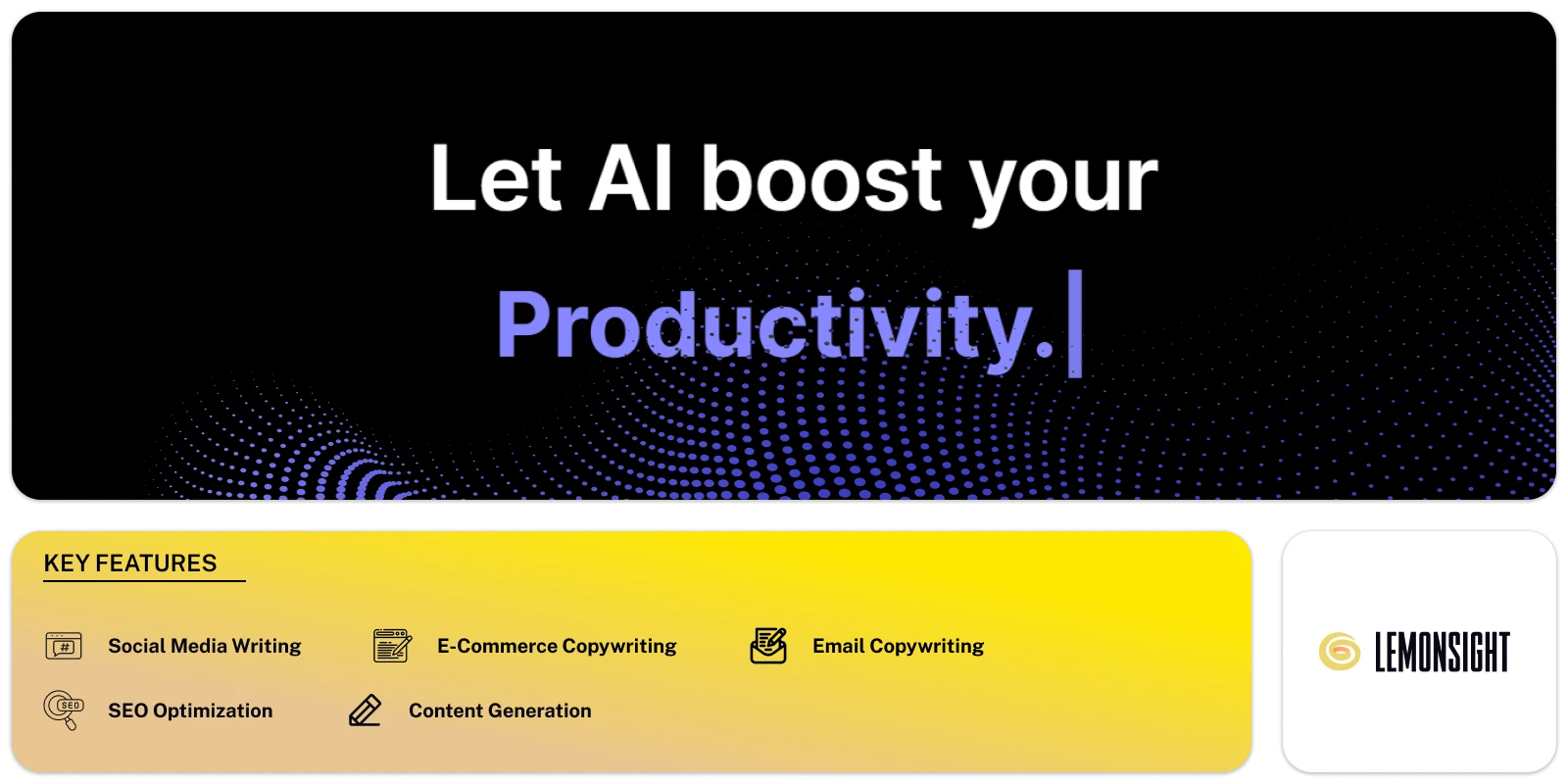
SinCode AI is a generative platform that creates written content, images, and code assistance through one AI Copilot. It is built for creators, marketers, and business teams. The system connects models like GPT-4, Claude, and Gemini, and uses Stable Diffusion for visual work. SinCode AI handles writing tasks for blogs, emails, social posts, and marketing pages through simple prompts. The workspace also interprets code prompts, logic questions, and technical issues directly. Image creation works beside the writing and coding tools and generates visuals from short text inputs. The platform keeps all outputs in one place and follows clear instructions. The platform supports creators who need a flexible setup for writing, visuals, and technical guidance in one dashboard.
SinCode AI Core Functionality
SinCode AI organises writing, coding, and image generation into connected modules that respond to natural language prompts. The writing module forms drafts for blogs, ad lines, product pages, and business messages. The coding module interprets technical questions, explains functions, and supports logic through models such as GPT-4, Claude, and Gemini. The visual module generates images through Stable Diffusion and creates branded material, concept art, or simple illustrations. Each module processes text input and returns structured output with clear formatting. The interface allows fast movement between content tasks, design ideas, and code prompts without leaving the main workspace. The multi-model foundation gives SinCode AI a wide range of interpretation for tone, structure, and context across writing, visual, and programming workflows.
SinCode AI Writing Capabilities
SinCode AI handles natural language prompts through GPT-4, Claude, and Gemini to produce structured content for many formats. The writing module supports long and short material for blogs, emails, ad lines, and SEO pages. The AI Copilot adjusts phrasing, layout, and length based on the prompt. The system can expand brief notes, rewrite text for clarity, and shift tone for professional or casual messages. Coding prompts also pass through the same language model layer and return explanations or simplified logic. The writing segment creates outlines, topic expansions, summaries, and branded messages through direct prompt control. Each output reflects the requested structure and responds to focused instructions without complex configuration.
SinCode AI brings together text generation, image creation, and coding assistance within a single interface. The platform is designed to support content creators, marketers, and developers by delivering ready-to-use output through natural language prompts.
The writing tools handle blog drafts, product descriptions, emails, and marketing copy. The visual module uses Stable Diffusion to generate images from short prompts, while the coding module assists with technical questions and structured logic explanations.
| Feature | Function | Module Name |
|---|---|---|
| Blog Drafting | Creates articles | AI Writer |
| Email Writing | Builds outreach lines | AI Writer |
| Image Generation | Forms visuals | Image Generator |
| Code Support | Handles coding prompts | AI Copilot |
| Rewrite Tasks | Adjusts tone and layout | Rewriter |
| Idea Expansion | Extends concepts | Ideation Tool |
Each feature supports writing, visual creation, or coding workflows through direct prompts, enabling users to move from idea to finished output efficiently.
SinCode AI follows a tiered pricing structure designed to support writing tasks, image generation, and multilingual workflows. Each plan varies by word limits, image credits, and access to advanced tools, giving creators, marketers, and business teams the flexibility to scale content production.
The platform supports both monthly and annual billing options. In addition, a credit-based model is available for users who prefer non-subscription access, making SinCode AI suitable for teams with occasional content or image-generation needs.
| Plan | Monthly Price | Annual Price |
|---|---|---|
| Starter | $20 | $15/mo |
| Pro | $49 | $37/mo |
There are no reviews yet. Be the first one to write one.